
Plate V.3 · Solutions
Heatnet Kits
Speeding up the process of derisking heating and cooling – proven technologies and services, bundled into standardised and modular system solutions.
The five kits
Each kit bundles the components, skills and best practices for one common application area.
- V.3.1
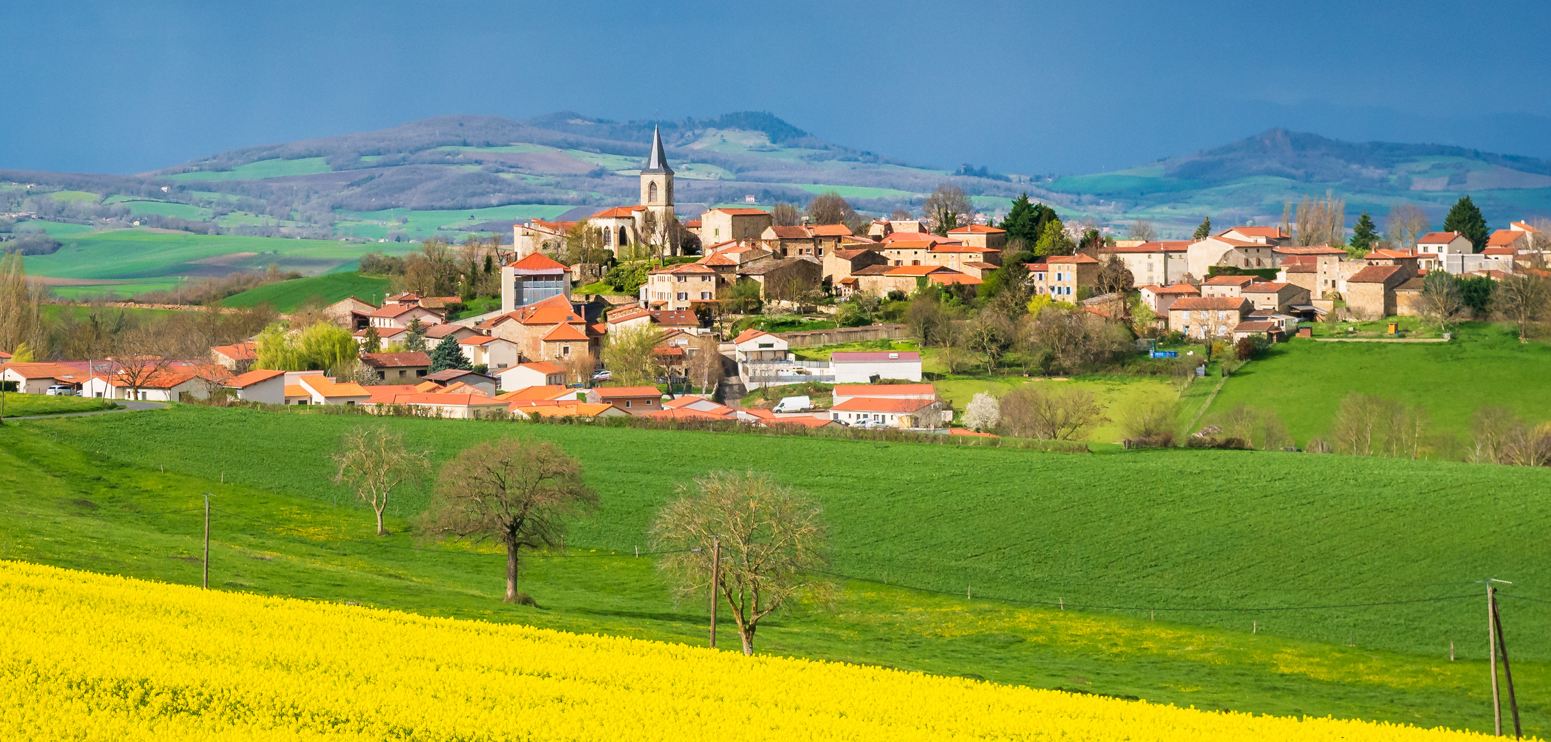 Rural HeatSmall Scale Heat NetworksAffordable and replicable heat network systems in towns, villages and rural areasIn development
- V.3.2
 Heat ShieldQuick Fix Kit for Cooling BuildingsGetting Ready for Next SummerInnovation initiative · with Engineers Europe
- V.3.3
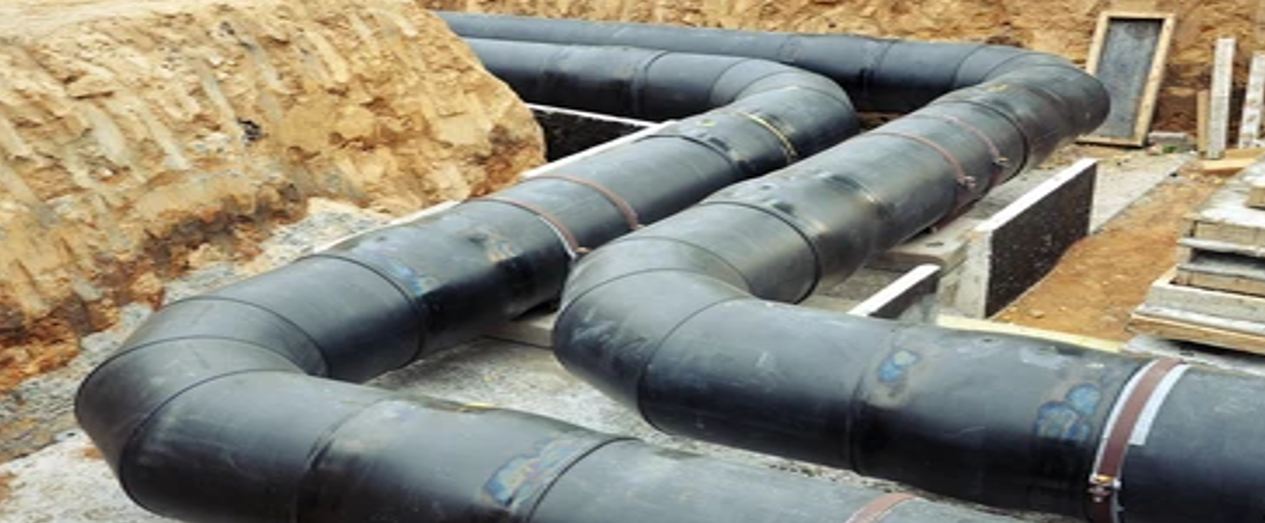 Stoic PipesAsset Management of Heat NetworksSolutions and Practices to Optimise Performance, Life-Cycle Costs and Overall ReturnsInnovation initiative
- V.3.4
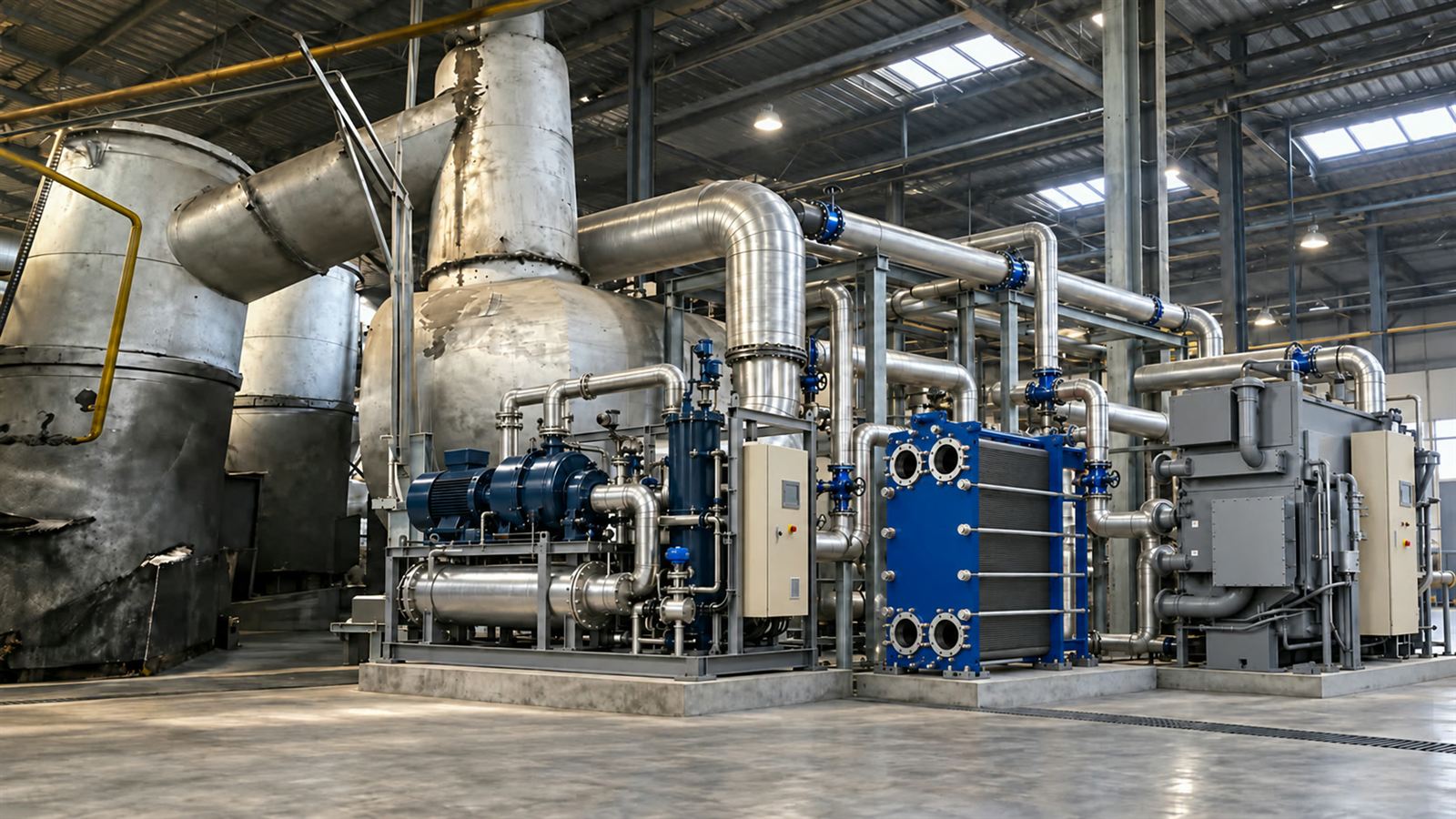 RetainergyRecovering Industrial Waste HeatImplementing cost-effective Energy Recovery Systems for small scale industries and incineration facilitiesInvestments underway in India
- V.3.5
 Smart CoolSmart CoolIntegrated Smart and Passive Cooling Solutions for Energy-Efficient Tertiary BuildingsDemonstration project · Tunisia
From tailor-made to industrialisation
Background
There is an urgent need to speed up implementation of solutions for increasing energy security while simultaneously decarbonising heating. To do so we must address the key barriers slowing down and halting installations – costs and risks. This is also the overall mission of Heatnet Global. To date we have primarily been focusing on activities supporting collaboration, enabling replication, providing training and facilitating access to technologies and services. We are now taking things one step further by launching the concept of Heatnet Kits.
Concept
The aim of Heatnet Kits is to actively engage the key stakeholders – operators, suppliers, delivery partners, end-users, investors, training providers, etc. – into a process of bundling individual technologies and services into standardised and modular system solutions. By doing so we believe it will be possible to significantly reduce capex and operating costs, while reducing risks and improving overall performance and reliability. This will also facilitate replication of best practice in design, training, installation, and O&M. In addition, modularisation will increase access to funding and facilitate innovation. All in all, Heatnet Kits will make it possible to speed up and scale up the delivery of installations to increase energy security and decarbonising heating.
From Tailor Made…
Current Strategy – “Brick-by-Brick”
Negative impact on:
- Capex
- Opex
- Risks
- Commercial Model
- Speed to market
…to Industrialisation
Lego Strategy – “Kits”
Facilitating
- Standardisation
- Replication of best practice
- References – Benchmarking
- Training
- Learning Curve
- Innovation
Enables
- Small Scale – At Scale
- Volumes
- Costs reductions
- Commercial Model
- Attracting Investors
Action
Decarbonising Heating and Cooling is a complex endeavour. It requires the combination of a multitude of unique products and processes, all pieced together in perfect synchronisation to secure performance and cost efficiency over time. It’s currently done brick by brick in a slow and cumbersome process involving unsustainable costs and risks.
Heatnet Kits seek to apply a different strategy, similar to that of Lego and IKEA. Combining bricks into standardised kits would take our sector from a tailormade craftmanship approach into an efficient industrial process. This in turn would enable us to speed up and scale up the process of decarbonising heating and cooling, while significantly reducing costs and risks.
Through the extensive network of key stakeholders in several markets, Heatnet Global has the means to mobilise best-in-class actors around the Heatnet Kits concept. The solutions and skills involved are combined into specialised packages each focusing on a specific application.
From individual bricks to packaged kits.
Heatnet Kit Rural Heat
Small Scale Heat Networks
Affordable and replicable heat network systems in towns, villages and rural areas
In development
Small Scale. At Scale.
Small towns and rural communities tend to be sidestepped in strategies to derisk heating and cooling. The costs for designing, implementing and operating small scale heat networks are often insurmountable barriers. However, by applying a highly standardised modular approach it is possible to significantly reduce Capex – From tailor made to industrialisation.
- For whom
- Towns, villages and rural communities
- Scale
- Small scale (1–3 MW) bioheat systems
- What’s included
- Commercial modelling, technical design, procurement, installation and operations – plus training and local capacity building
- Status
- In development
Module 4
Convert
Heat Generation
- Heat Pumps
- Biomass – EfW
- Solar Thermal
- Thermal Storage
Module 3
Connect
Heat Networks
- Pipes
- Valves
- Leak Detection
Module 2
Control
Optimising and Billing
- Heat Exchanger
- Valves
- Pump
- Sensors
- Metering
- Optimisation
Module 1
Conserve
Building Efficiency
- Indoor distribution
- Fabric
- Digital Technologies
To be managed separately
Key service providers
Project Preparation
- Commercial Model
- Technical Design
Project Implementation
- Installation
- Operations
Peers from the Nordics Sharing Experiences and Best Practice
Objective
The aim of this initiative is to bring together the key components, skills and best practices for implementing small scale (1-3MW), high performing, and affordable bioheat systems in rural communities. The ambition is to develop a standardised modular solution which can easily be replicated thereby reducing capex, operational costs, and risks. The bundled package will involve a standardised approach for commercial modelling, technical design, procurement, installation and operations, as well-defined combination of technologies enabling economies of scales. In addition, it includes capacity building initiatives in terms of training, engaging local businesses, and advice on strategies for maximising local socio-economic benefits.
Potential
90 000communities of below 10 000 inhabitants in EU 27 + UK
Most of the buildings depend on imported fossil fuels (gas, oil, solids) for space heating. This is a major concern for several reasons. Fuel poverty is often a bigger challenge in low density regions. Secondly, it will be impossible to reach targets in terms of climate and energy security unless we manage to decarbonise small communities. It’s also about missing out on new opportunities. Rural areas have a unique opportunity to become self-sufficient in terms of heating, thereby enhancing local resilience while generating a broad range of socio-economic benefits – new revenue streams, inward investments, and jobs. The abundance of residues from forestry and agriculture can enable towns and villages in rural regions to establish a fully circular heating system, when combined with e.g., heat-pumps, solar thermal, geothermal, and thermal storage.
Heatnet Kit Heat Shield
Quick Fix Kit for Cooling Buildings
Getting Ready for Next Summer
Innovation initiative · with Engineers Europe
Cool Buildings. Now.
Cities worldwide are warming faster than rural areas due to the compounding effect of climate change and the Urban Heat Island effect, where dark asphalt, concrete, and dense infrastructure trap heat. There is an urgent need to retrofit buildings and adjust city layout to mitigate the effects. This can’t wait – Where do we start?
- For whom
- Elderly homes, schools and kindergartens, social housing – then residential houses
- What’s included
- A standardised quick fix kit which can be retrofitted short term, and at scale
- Who is involved
- Academic institutions, technology suppliers, engineering advisors, operators and developers
- Status
- Innovation initiative, in collaboration with Engineers Europe
Starting Point
Monitoring and Control
Sensors, communication networks and digital solutions to keep track on indoor/outdoor temperature and air quality, and when relevant adjust input of additional cooling
Indoor Sensors · Outdoor Sensors · Communication · Control · Sourcing
First Shield
Keeping Heat Outside
Exterior solar shading blocks high-energy solar radiation before it passes through the thermal envelope. Shading acts as the passive perimeter barrier.
Trees · Sails · Shades · Awnings · Screens · Film
Second Shield
Bringing Heat Outside
Installing a capillary system inside the building which absorbs heat radiation and brings it out of the building
Third Shield
Bringing Fresh Air In
Outdoor air supply system which acts as the latent cooling and hygiene provider – HPs providing fresh air – powered by solar PV
Priorities
The initiative will focus on solutions to which can be easily retrofitted in the following categories of buildings:
- Elderly Homes
- Schools and kindergartens
- Social Housing
- Residential houses
Objectives
The overall aim is to develop a quick fix kit adapt buildings to a warmer climate. This involves:
- Identify solutions and practices and assess effectiveness related to total costs
- Combine the selected solutions into a standardised kit which can be retrofitted short term, and at scale
Focus areas
Potential
- Drivers
- Demand – Forecasting market potential
- Opportunities and Challenges
Solutions
- Basic Principles for cooling down buildings
- Identify and Rank Technologies and practices
- Combine into standardised kits
Strategy
- Best Practice – What can we learn from India
- Reference cases – Experiences and Benefits
- Commercial Modelling
Implementation
- Specify processes from Vision to Operations
- Assess gaps in supply chain
- Local Capacity Building & Training
Background
Cooling buildings in the summer is rapidly becoming an equally important issue as heating them in the winter. More frequent and intense heatwaves are increasing the risks. Buildings designed primarily for winter heating can become uncomfortably hot in summer, especially those with large south/west-facing windows. Air-conditioning ownership is still relatively low in much of Europe. This is however not a financially sustainable solution to be implemented at scale.
Urban heat islands make cities such as Paris, Madrid, London and Milan particularly vulnerable. We have experienced the devastating impact in the recent heatwaves – schools and public services closing, health issues, and increased mortality rate, not least among our elderly people. Something must be done. Quickly. Ahead of next summer. Time and resources are limited, so where do we start, and what can we do?
Heatnet Kit Stoic Pipes
Asset Management of Heat Networks
Solutions and Practices to Optimise Performance, Life-Cycle Costs and Overall Returns
Innovation initiative
Looking beyond the next corner
Experienced district energy operators have learned to understand the concept of Life Cycle Cost. Often in a very hard and costly way. They know that it’s worth the time and money to go the extra mile to ensure that the technologies selected, and the way in which they are applied will not keep them awake at night. Getting it right from the start, constant monitoring, and proactive maintenance are the rules of the game.
- For whom
- Operators and owners of heat networks
- What’s included
- Technologies and practices for monitoring, optimisation and refurbishment, with engineering and digital support services
- Status
- Innovation initiative
- 01
Monitoring
Leak Detection
- 02
Optimisation
Secure Performance
- 03
Refurbishment
Repairs
- Technologies
- Monitoring · Optimisation · Refurbishment
- Support Services
- Engineering and Digital Support Services
- Reference Cases
- Operators
Objective
The aim of this initiative is to bring together the components, skills, and best practices required for maximising the technical and commercial performance and lifetime of heat networks. The ambition is to develop a standardised modular solution which can easily be replicated thereby reducing capex, operational costs, and risks. The bundled package will involve a standardised approach for commercial modelling, technical design, procurement, installation and operations, as well-defined combination of technologies enabling economies of scales. In addition, it includes capacity building initiatives in terms of training, engaging local businesses, and advice on strategies for maximising local socio-economic benefits.
Potential
Heat Networks represent a significant financial investment. The system of pipes underground constitute the most critical and valuable asset in any district heating system. They are the artery of the system which must never fail. Designing and operating heat networks is a delicate task. There is a wide spectrum of parameters to consider: flow temperature, system pressure, hourly and seasonal fluctuations in demand, thermal resistance in buildings, and more. Similarly, there is a multitude of technologies available and making the right choices is not straightforward. Networks can last for a generation if properly installed, monitored and maintained. Failing this there could be risks for leaks posing major safety risks, as well as significant financial costs. Securing performance and minimising life-cycle costs is a complex task, in particular as heat network configurations may change over time. There is a demand for a simpler and more straightforward approach.
Heatnet Kit Retainergy
Recovering Industrial Waste Heat
Implementing cost-effective Energy Recovery Systems for small scale industries and incineration facilities
Investments underway in India
Harvesting Waste Heat
Industries across the globe lose significant amounts of energy in the form of waste heat. In the context of soaring energy costs, businesses have become increasingly aware of the commercial value of this redundant heat. There are proven technologies for doing this. The trick is to bring these together into a cost-effective kit which can be replicated at scale.
Visit retainergy.com- For whom
- Small scale industries and incineration facilities
- What’s included
- Pre-designed, modularised kits for retrofit – with support in project delivery, operations and maintenance, and training
- Status
- Investments currently underway in India under the brand Retainergy
- Source
Industrial process
Small scale industries and incineration facilities
- The kit
Energy recovery system
Heat recovery solutions, thermal storage, ORC (Organic Rankine Cycle) technologies, heat distribution solutions and AI
- Transformed into
- Electricity
- Heating
- Cooling
- Used for
Internal processes
or
External users
Objective
The aim of this initiative is to bring together the components, skills and best practices into standardised, pre-designed and modularised kits with the aim of reducing capex, operational costs and risks, while speeding up implementation and expansion. The kits will primarily be designed to enable retrofit installations in existing facilities. The packages includes support in project delivery, operations, and maintenance, as well as training and broader capacity building initiatives. A key element is to facilitate exchange of strategies for maximising the local socio-economic benefits.
Potential
Industries across the globe emit significant amounts of waste energy. In an era of soaring energy costs and increased focus on resilience and energy security, businesses have become increasingly aware of the commercial value of the redundant heat generated in industrial processes. Waste heat can be transformed into electricity, as well as heating and cooling which in turn can support internal processes or be distributed to external users. The strategies and solutions for recovering industrial waste heat are well known and proven. However, there are complexities and challenges to overcome to optimise performance and return-on-investments. In particular for retrofit installations. There is a need to lower the thresholds by facilitating replication and upscaling. There is no time for waste.
Heatnet Kit Smart Cool
Smart Cool
Integrated Smart and Passive Cooling Solutions for Energy-Efficient Tertiary Buildings
Demonstration project · Tunisia
Cooling – from the Sand and the Sun
The desert is a beautiful sight, a bearer of dreams and legends. It can also be an unforgivable place offering burning heat under a scorching sun with nowhere to hide. And yet, seemingly against all odds, there are ways to make the sun, and the sand cooperate in providing perfect conditions for humans. The Smart Cool project will show how this can be done. And replicated. In Practice.
- Where
- Research and Technology Center of Energy (CRTEn), Borj Cedria, Tunisia
- What it is
- Modular kit and training course
- Monitoring
- A performance dataset covering at least 12 consecutive months after commissioning
- Status
- Demonstration project – DHC Academy, co-funded by the European Union
Starting Point
Energy and technical assessment of the selected building
Existing cooling arrangements, electricity consumption, operating schedules, indoor temperature and humidity, and cooling requirements. Available energy records will be complemented by on-site measurements to establish a reliable baseline. This assessment will guide system sizing and define the reference conditions for evaluating energy savings, emissions reductions, comfort and operating costs.
Concept sketch based on the project description – design conditions, not measured results.
Shading solutions
Exterior solar shading to block high-energy solar radiation before it passes through the thermal envelope. Shading acts as the passive perimeter barrier.
Sustainable Power Production
Photovoltaic panels installed over a parking area will generate renewable electricity supplying the cooling installation and associated equipment
High-efficiency cooling system
Install a closed loop system circulating water between the ground and the building involving pipes, pumps, heat exchangers, heat pump and capillary radiant panels.
Intelligent Energy Management
A supervisory control system will coordinate heat-pump operation with PV availability, weather conditions, indoor thermal conditions and building operating schedules.
Monitoring, reporting and verification (MRV)
A structured monitoring framework will measure cooling electricity consumption, PV generation and self-consumption, peak electrical demand, heat-pump performance, indoor comfort, operating costs and associated GHG emissions. Energy-efficiency savings and emissions avoided through PV electricity will be calculated separately to prevent double counting.
Deliverables
SMART-COOL Tunisia will pursue five objectives:
- (i) install and commission the integrated cooling system at CRTEn
- (ii) reduce cooling-related electricity consumption and peak demand while maintaining suitable indoor comfort
- (iii) improve the use of on-site renewable electricity through intelligent control
- (iv) quantify technical, environmental and economic performance against the measured baseline
- (v) prepare the solution for replication through capacity building, technology transfer and a techno-economic assessment
Expected outcomes
Expected outcomes include a functioning demonstration installation, a tested intelligent control strategy, a performance dataset covering at least 12 consecutive months after commissioning, verified energy and emissions indicators, and recommendations for future deployment.

 Co-funded by the European Union
Objective
The project aims to install, demonstrate and validate an integrated cooling system at the Research and Technology Center of Energy (CRTEn) in Borj Cedria, Tunisia. The solution will combine a photovoltaic (PV) carport, a high-efficiency heat pump, capillary radiant cooling panels and an intelligent energy management system incorporating predictive and AI-assisted control where supported by the available data. By coordinating solar electricity generation, cooling operation and building demand, the project will reduce cooling-related electricity consumption and peak demand, increase renewable electricity self-consumption and assess the technical and economic feasibility of wider deployment.
Background
Tunisia’s energy transition requires practical solutions that improve energy efficiency, expand renewable energy use and reduce greenhouse gas (GHG) emissions. Cooling is a growing challenge during the country’s hot summer months, when rising demand for air conditioning increases electricity consumption, operating costs and peak electrical loads. Addressing this challenge requires an integrated approach that combines efficient cooling technologies, on-site renewable electricity and intelligent energy management while maintaining indoor thermal comfort. SMART-COOL Tunisia directly supports these priorities by demonstrating a replicable sustainable cooling solution under real Tunisian climatic conditions.
How a kit is developed
Five focus areas, from defining the project to local capacity building – the shared route for Small Scale Heat Networks, Asset Management of Heat Networks and Recovering Industrial Waste Heat.
- 01
Define Project
- Partners & Project Team
- Timeline & Milestones
- Deliverables
- 02
Market Analysis
- Demand – Forecasting market potential
- Opportunities and Challenges
- Focus and Priorities
- 03
Solutions
- Key technologies and processes
- Combine into standardised kits
- Small Scale Heat Networks
- Options in terms heat sources
- Asset Management
- Proactive and reactive approaches
- Industrial Waste Heat
- Options – what to do with the harvested heat
- 04
Strategy
- Reference cases – Experiences and Benefits
- Commercial Modelling
- Optimising Design and Procurement
- 05
Implementation
- Select pilots and secure funding
- Appoint delivery team and partners
- Local Capacity Building & Training
Heatnet Kits
Interested in a kit?
We will be back with more information via newsletters and on our web page as the kits evolve. Drop us a mail if you wish to learn more at this stage.